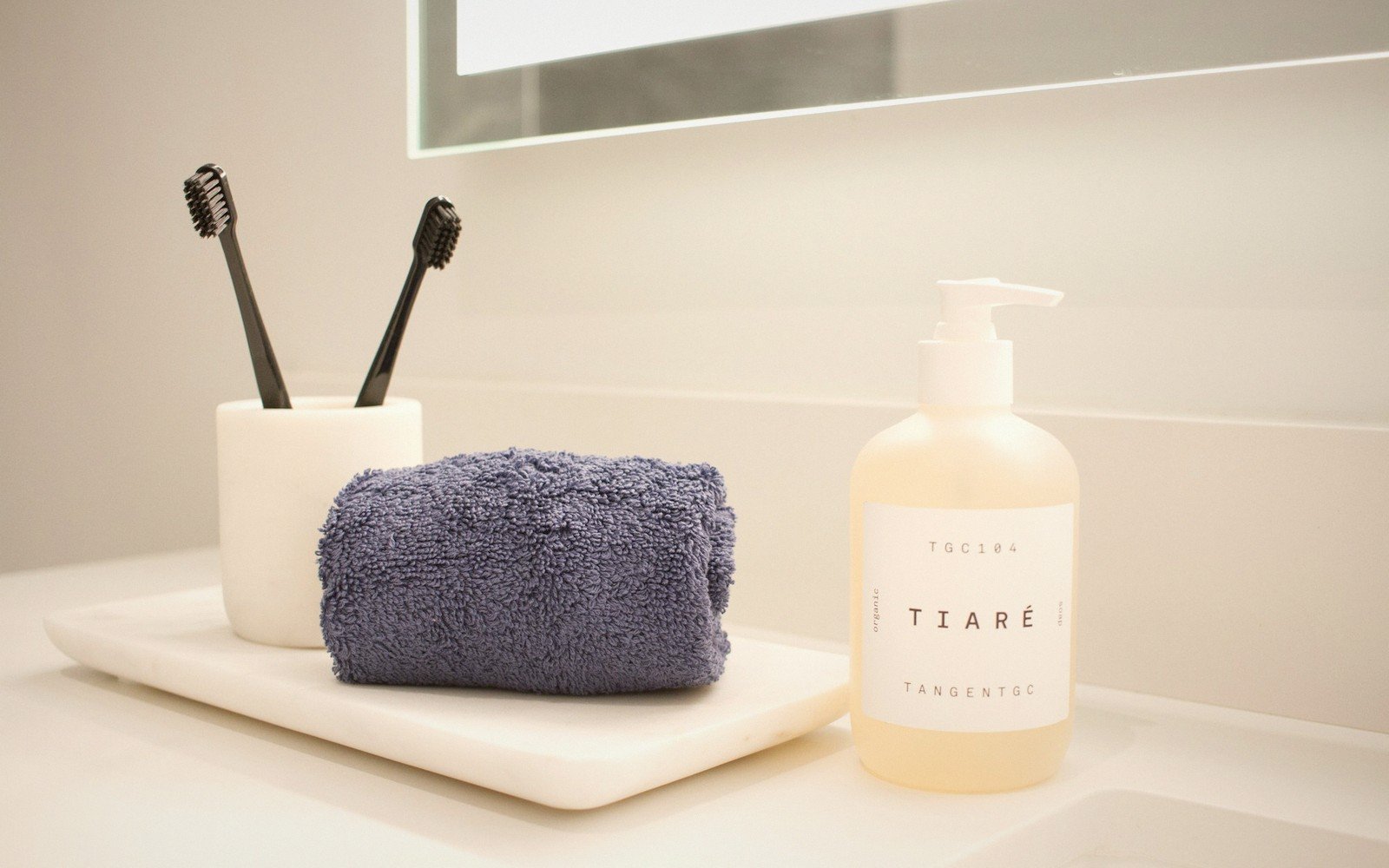
That tight, almost-squeaky sensation after washing your face? It means your cleanser has stripped away not just dirt and oil, but the natural lipids that keep your moisture barrier intact. Your skin feels "clean" because it's been left essentially defenceless — and it usually responds by either flaking or overproducing oil to compensate. Neither is what you wanted.
The Feeling You're Chasing Is the Problem
The goal of a good cleanse is simple: remove what doesn't belong (sunscreen, makeup, pollution, excess sebum) while leaving your skin's own protective film largely undisturbed. A well-formulated gentle cleanser — a low-pH cream, gel, or micellar formula — can do exactly that. Foaming cleansers aren't automatically the enemy, but high-lather formulas often rely on surfactants harsh enough to disrupt your barrier with daily use. If yours leaves you reaching for moisturiser within thirty seconds, it's probably working too hard.
A few things that quietly make a difference:
- Water temperature. Hot water is genuinely stripping. Lukewarm is plenty effective and far kinder.
- Time on skin. A quick thirty-second cleanse is enough. Lingering doesn't equal cleaner.
- Rinsing. Residue left on skin — especially from micellar water if you're not following with a rinse — can irritate over time.
- Drying. Pat, don't rub. A rough drag with a towel can inflame skin that the cleanser just treated gently.
If you wear SPF daily (and if you haven't read why that matters, it genuinely does), a double cleanse in the evening — an oil-based first step to dissolve sunscreen, a gentle water-based cleanser second — is worth the extra minute. In the morning, for most skin types, a simple rinse with water is enough. Your skin hasn't been doing anything all night that requires a full cleanse.
Patch test any new cleanser — and if persistent tightness, redness, or breakouts follow cleansing, a dermatologist is the right next call, not another cleanser from the same shelf.